ERP Implementation Process
At Technosapians, we recognize that selecting the right ERP system software for your organization is an important decision that takes time and research. But, once selected, implementing that software can be intimidating.
An ERP implementation involves installing the software, moving your financial data over to the new system, configuring your users and processes, and training your users on the software. Choosing the right partner for implementing your ERP system is almost as important as selecting the right software in the first place.
As with any large project, it’s imperative that you to take things one step at a time. Thankfully, successful and calm ERP implementations are not only feasible, but actually quite common.
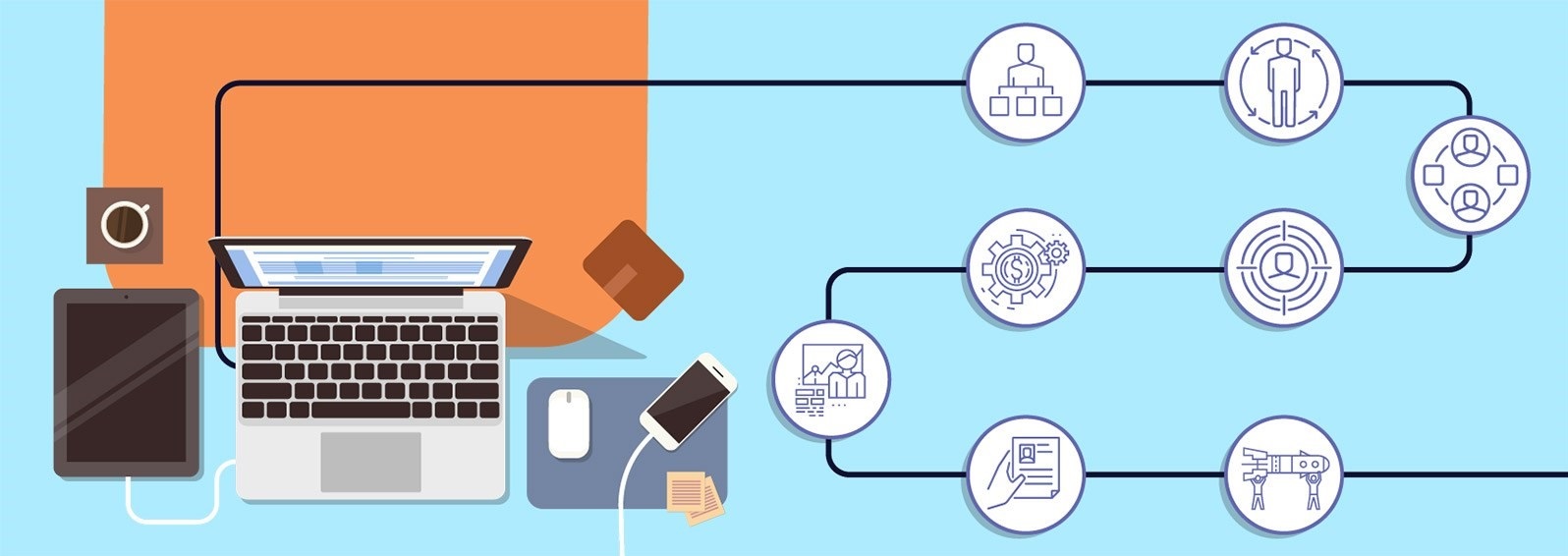
Before we look at the implementation process in detail, your initial focus should be on selecting the right ERP system software provider for your business. The expected results of implementing the correct ERP technology should be streamlined operations, easy-to-use functionality, a real-time view of your business anytime and anywhere on any device, and an ERP platform that is not only secure but adaptable to the ever-changing needs of your company.
What type of implementation project is it? At Technosapians IT Solutions, we recognize that there are three implementation project types:
Express – Implementation is functional out-of-the-box (OOB); the customer is a single entity without complex processes and no add-on solutions are required.
Standard – Implementation is for Single or Multiple entities that require minimal customizations and add-on solutions, and are single currency and language.
Advanced – Implementation is for Single or Multiple entities with various locations, multiple currencies, and languages. Their business processes and integrations range from moderate to complex. A complex roll-out is involved with multiple phases (Template or Pilot roll-out).
Technosapians will be responsible for recognizing what project type your ERP implementation is and will then use the methodology and tools we have established in our newly released Solution Framework. It is designed to guide our Partner organizations through the various project types and emphasize that not every project should be treated the same due to their dynamic nature. ERP implementations should concentrate on Project Management as the key to success.
Stages of implementation
With your team assembled, the stages of implementation come into play. The stages are as follows:
Discovery – Consists of processes that help define the need, vision, scope of the project, and obtain commitment from the customer to continue.
Plan & Monitor – Consists of processes that involve developing a strategy to complete the work, as well as measure the progress and take corrective action as required. This occurs throughout the entire process.
Analyze – This stage is a more detailed level of discovery and consists of processes that involve gathering detailed requirements and analyzing the client’s business needs.
Build – Involve processes that carry out the tasks identified in the strategy.
Stabilize – Consists of a set of processes to ensure a solution meets the client’s requirements and is ready for full deployment to a live production environment. This also includes a client’s readiness to use the solution.
Deploy – Processes that will deploy the solution to a production environment.
Post Go Live – Processes that are in place to support the client once they are live on the solution, which lead to project closure.